
Dumpster pads are easy to overlook, but they take heavy service vehicle loads and need durable concrete details.
Dumpster pads are easy to overlook, but they take heavy service vehicle loads and need durable concrete details.
Good concrete work should move water where it belongs and help prevent standing water near buildings, entrances, and pedestrian areas.
Retail storefront concrete should support curb appeal, safe access, drainage, and day-to-day customer traffic.
Commercial concrete often involves larger scopes, heavier use, tighter schedules, and more coordination than typical residential work.
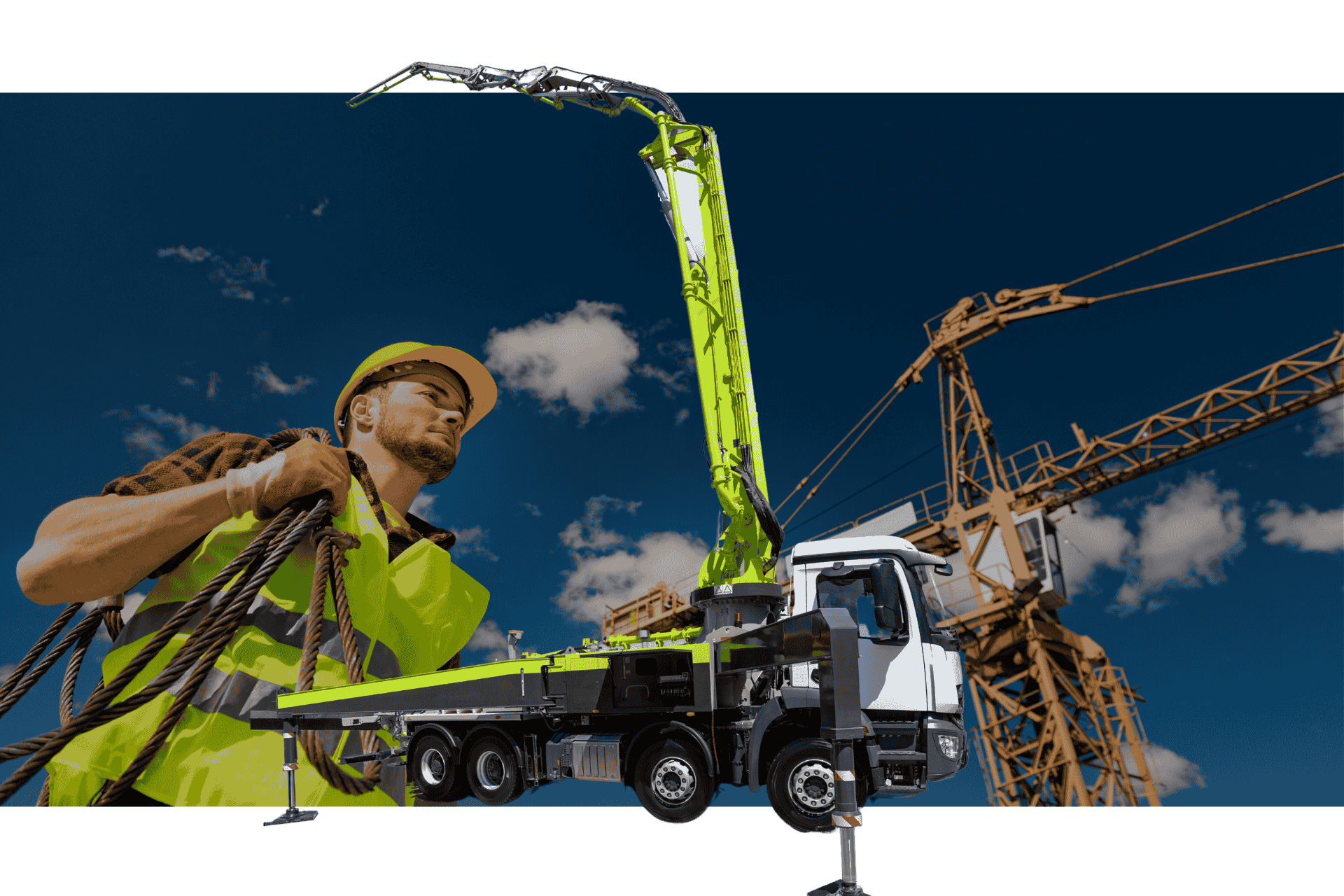
High-traffic properties need flatwork that is planned for repeated vehicle and pedestrian use, not just appearance at completion.
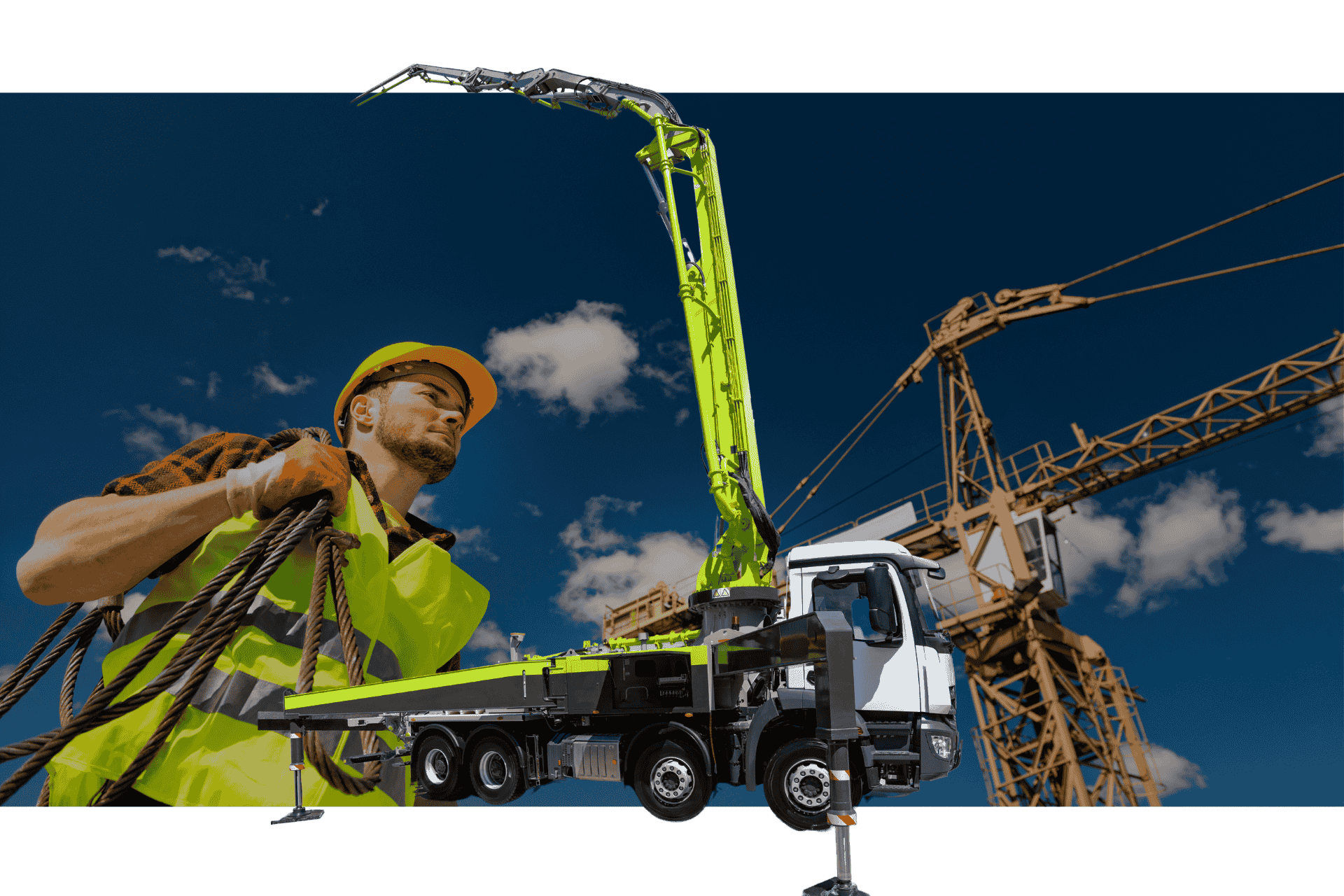
Concrete walkways, ramps, curbs, and entry pads help people move safely through multifamily, retail, and commercial properties every day.

Commercial owners and general contractors can start the year well by reviewing concrete scopes early, confirming site priorities, and aligning schedules before field work begins.
A new year brings new construction schedules, tenant improvements, and property maintenance priorities for commercial concrete work.
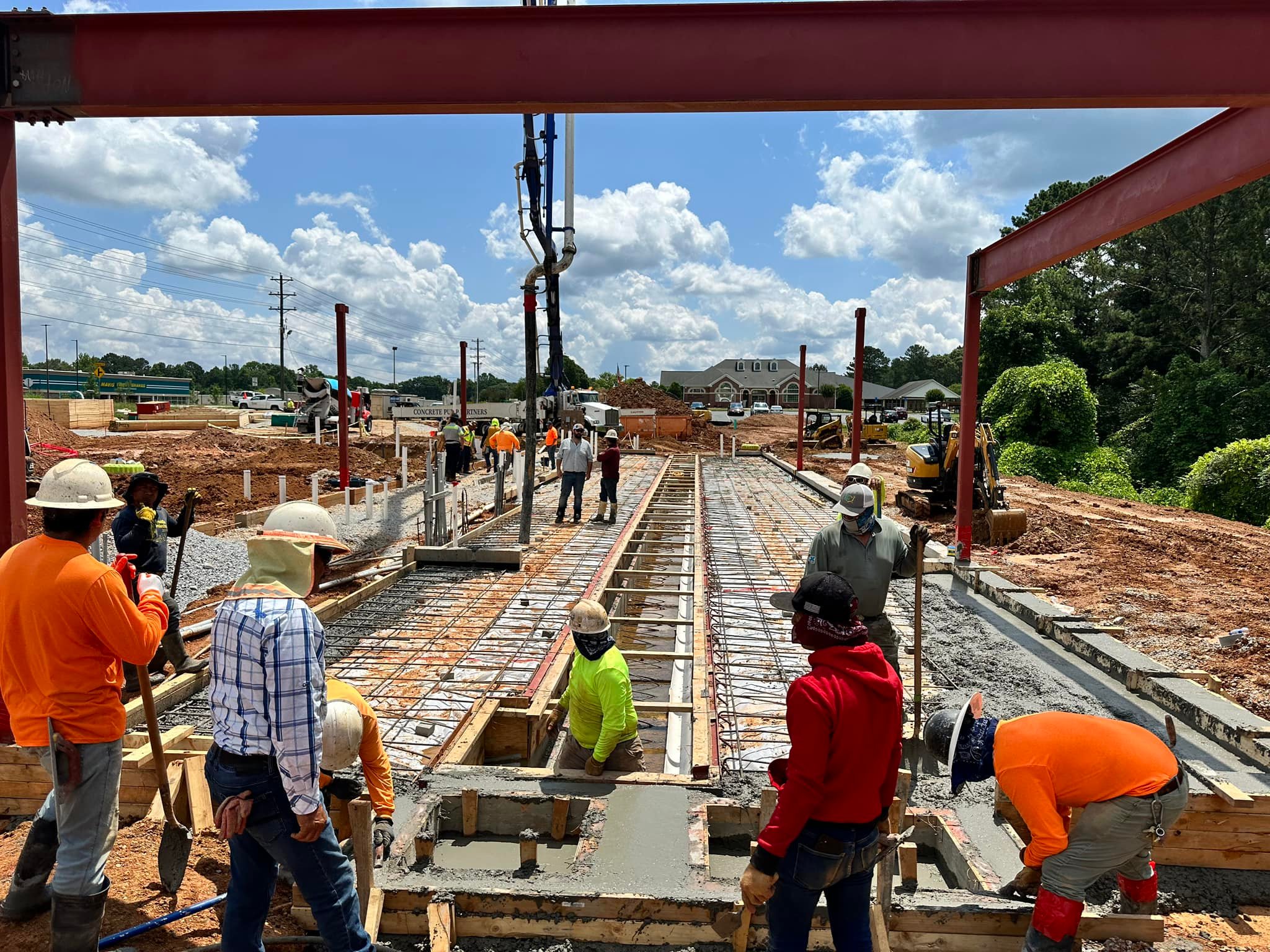
Even in the Southeast, winter conditions can highlight drainage, surface, and access issues across commercial properties.
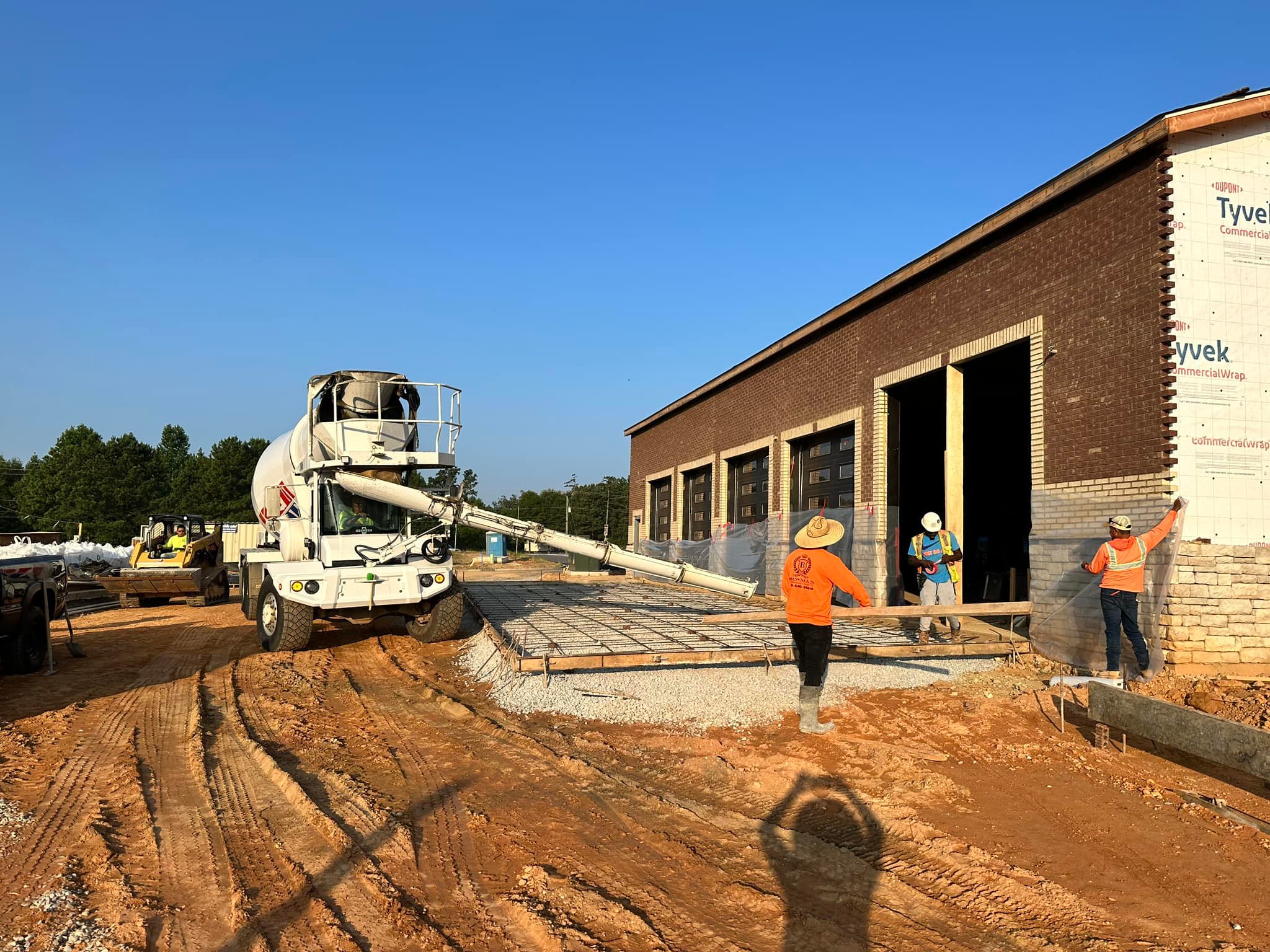
Clean and functional concrete can improve curb appeal, safety, access, and overall value for commercial properties.