

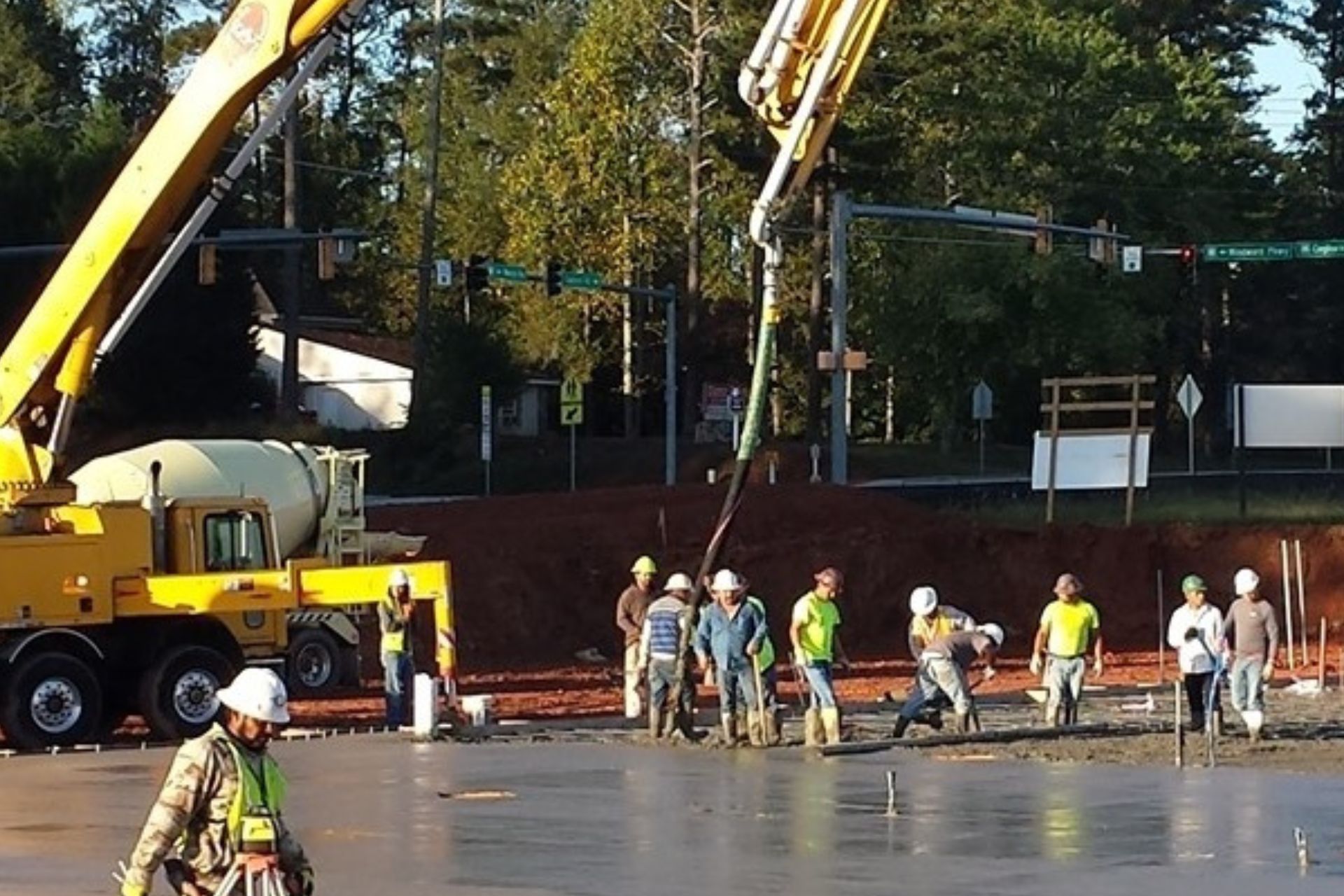
Multifamily properties put concrete through daily use. Residents, guests, delivery drivers, maintenance teams, and vendors all rely on sidewalks, curbs, patios, ramps, pads, and parking-area concrete to move safely through the property.
Because these communities serve many people at once, concrete work should be planned with durability, accessibility, drainage, and long-term maintenance in mind.
High-Traffic Areas Need the Right Detail
Walkways, building entrances, mail areas, amenity spaces, and trash enclosures often see constant use. Proper subgrade preparation, reinforcement where needed, joint placement, and finish quality all help reduce premature cracking and surface issues.
Accessibility Matters
Multifamily concrete work often includes ADA routes, curb ramps, landings, and transitions between parking areas and buildings. These details must be carefully formed and finished so residents and visitors can move safely and comfortably throughout the site.
Drainage Should Not Be an Afterthought
Standing water can shorten the life of concrete and create safety concerns. Slopes, grades, and tie-ins to existing pavement should be reviewed before placement so water moves away from buildings, entrances, and pedestrian routes.
- Sidewalks should be placed with consistent transitions.
- Dumpster pads should be designed for heavy service vehicles.
- Amenity-area slabs should balance appearance with slip resistance.
- Curbs and ramps should be coordinated with traffic flow and parking layouts.
For multifamily owners and developers, concrete is both functional and visible. Well-planned concrete improves day-to-day use, helps protect the property, and contributes to a cleaner overall appearance.