

Commercial concrete has to do more than look clean on opening day. On a working property, the concrete behind the building often carries the heaviest burden: tractor trailers, box trucks, delivery vans, forklifts, dumpsters, pallet jacks, grease, stormwater, and constant turning movements. Loading docks, service drives, receiving lanes, dumpster pads, and back-of-house delivery areas are some of the most abused surfaces on a commercial site.
For owners, developers, property managers, and general contractors, those areas deserve careful planning. When the concrete is underbuilt, poorly drained, rushed, or placed without considering how the property actually operates, the problems usually show up quickly: cracked panels, settlement at the dock approach, ponding water, broken corners near dumpsters, failing joints, and unsafe transitions for employees and vendors.
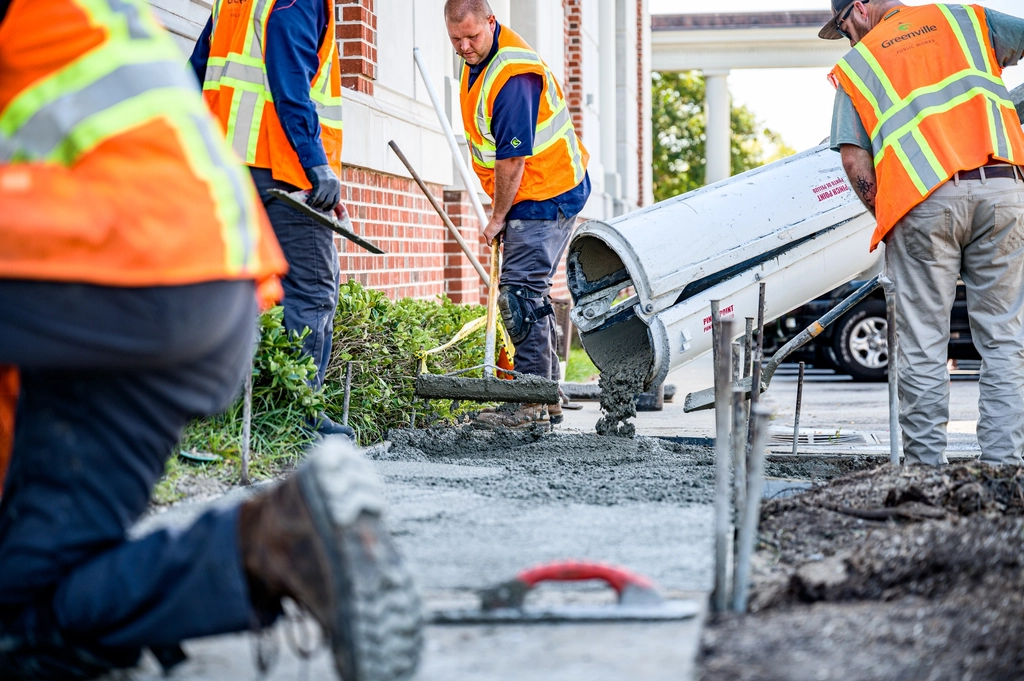
Why Loading Dock and Service Area Concrete Is Different
A decorative sidewalk and a commercial loading area may both be made of concrete, but they are not asked to perform the same job. A service zone is exposed to heavier loads, tighter traffic patterns, more frequent impacts, and more demanding drainage conditions. The slab has to support vehicles that may idle, turn, brake, back in, and load in the same small area every day.
That means the design conversation should start with use, not just square footage. Before concrete work begins, the project team should understand what types of vehicles will use the space, how often deliveries occur, where trucks turn, where dumpsters sit, how water moves through the site, and whether employees or customers need to maintain access during construction.
Common Trouble Spots in Commercial Delivery Areas
Many concrete failures in commercial service areas are predictable. They often come from a few repeated conditions that are easy to overlook during planning:
- Dock approaches with concentrated wheel loads. Trucks braking, backing, and loading near the same dock edge can create stress that ordinary pavement sections may not handle well.
- Dumpster pads with repeated impact. Heavy containers, collection trucks, and metal wheels can damage thin or poorly reinforced slabs.
- Drainage that sends water across active work zones. Standing water can create safety issues, accelerate surface wear, and increase freeze-thaw risk in cooler conditions.
- Unprotected slab edges. Edges near drive lanes, ramps, and transitions are vulnerable when trucks cut corners or when adjacent base material erodes.
- Poor joint layout. Joints placed without regard for traffic, doorways, trench drains, or turning paths can invite random cracking and maintenance headaches.
- Weak subgrade preparation. Even a strong slab can fail when it is placed over unstable, wet, or uneven base material.
Start With the Right Slab Section
One of the biggest mistakes on high-use commercial concrete is treating every flatwork area the same. A sidewalk, patio, tenant entry, drive lane, and loading dock approach may all need different thicknesses, reinforcement strategies, base preparation, and joint patterns.
For service drives and loading areas, the concrete section should be matched to the expected traffic. A site that only receives light delivery vans has different needs than a retail center with weekly tractor-trailer deliveries or an industrial building with forklifts and heavy equipment. The right answer depends on soil conditions, vehicle weights, traffic frequency, drainage, and the owner’s long-term maintenance expectations.
Good planning may include a thicker slab, a properly compacted stone base, reinforcement where it adds value, doweled construction joints, isolated pads for dumpsters or equipment, and transitions designed for the vehicles actually using the site. The goal is not to overbuild every square foot. The goal is to put strength where the property needs it most.
Drainage Matters as Much as Strength
Water is one of the most common reasons commercial concrete areas become frustrating to manage. In a loading area, poor drainage can leave water near dock doors, create slick walking surfaces, push runoff toward the building, or accelerate wear in areas where vehicles brake and turn.
Before placement, the crew should understand existing elevations, building thresholds, ADA routes, storm structures, trench drains, curb lines, and where runoff needs to go. Sometimes the solution is a subtle slope change. Sometimes it requires adjusting catch basins, adding trench drains, correcting curb flow, or coordinating with asphalt and utility work. Concrete should be part of the site’s drainage plan, not an afterthought.
Joint Layout Should Follow Real Site Use
Control joints are not just lines cut into concrete. They help guide cracking in predictable locations. In commercial service areas, joint placement should account for truck movement, dock doors, dumpster locations, columns, building corners, ramps, drains, and transitions to existing pavement.
A clean joint layout can make the finished work look more professional, reduce random cracking, and make future maintenance easier. Poorly planned joints can land in awkward high-stress spots, near drain structures, or exactly where a truck wheel repeatedly turns. That kind of detail matters on properties where the concrete is part of daily operations.
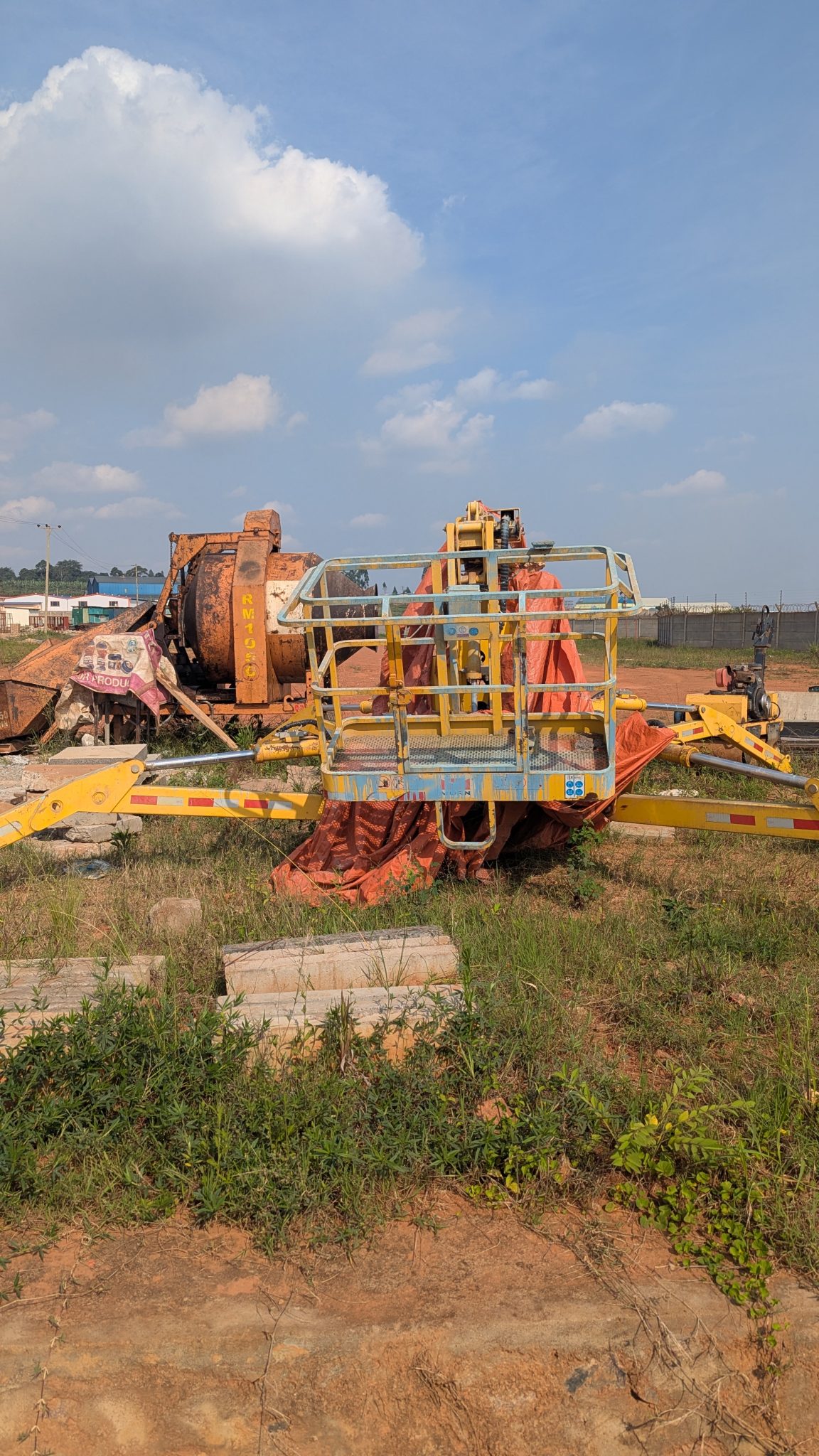
Plan Around Business Operations
Many commercial concrete projects happen while the property is still open. That makes phasing and communication just as important as the pour itself. A loading dock cannot always be shut down for days without affecting tenants, vendors, employees, or customers.
For active sites, the project plan should address temporary access, delivery windows, barricades, signage, curing time, tenant coordination, and when each area can safely return to service. In some cases, work can be split into sections so one lane or dock remains usable. In others, the best approach is to schedule work during off-hours, weekends, or lower-traffic periods.
What Property Managers Should Watch For
Property managers can often spot early warning signs before concrete problems become expensive repairs. In loading docks, delivery lanes, and service zones, look for:
- Water ponding near dock doors, pedestrian paths, or dumpster enclosures
- Cracking that widens, moves, or creates uneven edges
- Broken corners around dumpster pads and curb transitions
- Settlement where concrete meets asphalt, ramps, or building entrances
- Spalling, scaling, or surface wear in high-traffic turning areas
- Trip hazards where employees, vendors, or tenants walk during deliveries
Small issues do not always mean a full replacement is necessary, but they should be evaluated before heavy daily use makes the damage worse. A targeted repair, panel replacement, drainage correction, or phased concrete upgrade can often protect the property and reduce disruption.
Concrete Details That Support Safer Commercial Sites
Service areas are busy places. Trucks back in, employees move product, vendors unload, and waste collection may happen while normal business continues nearby. Concrete details can support a safer and more efficient site when they are planned correctly.
That may include smoother transitions at dock approaches, properly sloped surfaces, clear pedestrian paths, durable curbs, wheel stops where appropriate, ramps that support accessibility requirements, and concrete pads designed for the equipment they carry. A well-built delivery area should help the property operate, not create daily workarounds.
When Replacement Makes More Sense Than Patching
Repairs can be a smart choice when damage is isolated. But patching is not always the best long-term answer, especially when the concrete is failing because of base problems, drainage issues, undersized slab thickness, or repeated heavy vehicle loads.
Replacement may be the better investment when multiple panels are cracked or settled, drainage needs to be corrected, the slab section is not appropriate for the traffic, or the area has become a recurring maintenance issue. For commercial properties, the cheapest short-term fix can become expensive if the same area has to be repaired again and again.
Building for Long-Term Performance
High-use commercial concrete should be planned with the full site in mind: vehicles, drainage, tenants, timing, access, safety, and future maintenance. The best results come from practical field planning, clear communication, proper preparation, and details that match how the property works every day.
Caliber Concrete Company works with commercial property owners, general contractors, developers, and managers on concrete projects that need to hold up under real business use. Whether the project involves a loading dock approach, service drive, dumpster pad, sidewalk, curb, ramp, or larger commercial slab, the right planning helps protect the schedule and the finished property.
If your commercial property has concrete that is cracking, holding water, settling, or creating problems around deliveries and service access, contact Caliber Concrete Company to talk through the project.